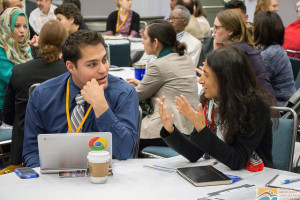
With NIIC only a few days away, our excitement is mounting to welcome you and nearly a thousand other policy makers, advocates, educators, business leaders, culture shapers, community stakeholders, and more from across the country!
The eighth annual National Immigrant Integration Conference (NIIC) - New American Dreams: Advancing Opportunity, Equality & Justice – aims to connect a bold and dynamic immigrant integration movement with a broader group of stakeholders to drive inclusion and impact together.
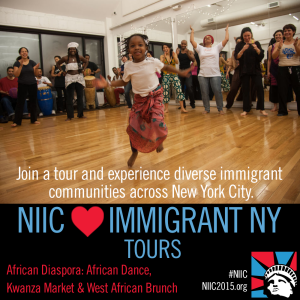
After registering for NIIC, sign up for one of our exciting tours for a taste of what immigrants bring New York City!
If you haven’t registered yet, there’s still time, just click here!
From exciting new developments in adult education and access to health care, new approaches in integration in emerging immigrant communities, and efforts to empower New Americans to apply for citizenship, NIIC participants will discuss and tackle some of the key integration issues facing U.S immigrant communities today. Participants will together shape a platform for New Americans ahead of the 2016 Presidential elections.
Here’s some other friends and colleagues who are sharing our excitement:
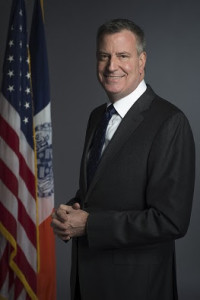
Expressing support for this year’s NIIC, New York City Mayor Bill de Blasio said, “New York City has long been a city of immigrants – and that’s integral to what makes our city so great. We are committed to ensuring that all immigrants can build the lives they and their families deserve. It is an honor to welcome the NIIC and its attendees, policy-makers, and advocates from across the country who are working to create the same welcoming environments in their communities.”
NPNA Executive Director Joshua Hoyt said, “New York is a shining example to the nation of how to thrive through immigrant integration. We are thrilled to bring the National Immigrant Integration Conference to New York, where the Statute of Liberty has welcomed generations of New Americans. During this period, when even presidential candidates believe that they can score cheap political points by attacking immigrants and their children, our nation has much to learn from New York. The National Immigrant Integration Conference builds on our proud tradition as the most successful experiment in world history in building a nation of immigrants.”
Steven Choi, executive director of the New York Immigration Coalition said, “We are so proud to be this year’s local co-host for the largest and most ambitious integration conference ever. With 11 tracks and dozens of panels on issues as broad as financial inclusion, healthcare, global migration, voter engagement, efforts in citizenship outreach, worker justice, and more, this year’s NIIC will highlight immigrant integration issues that we must prioritize and tackle in 2016 and beyond. It is also of great significance that this year’s conference takes place in what has historically been a key port of entry for immigrants and is the cultural and financial capital of the country. What happens in New York City influences major policy, cultural, political, and business trends across the country and we plan on using the wealth of expertise, discussion, and policy recommendations made at this year’s NIIC as a roadmap for our work moving forward.”
Javier H. Valdés, co-executive director of Make the Road New York said, “With the national political conversation about immigration turning ugly again, it’s more critical than ever that we convene this conference to discuss affirmative approaches to immigrant integration. And there’s no better place to hold these discussions than our beloved city of immigrants, where we have taken important strides forward, including the creation of municipal IDs for all New Yorkers, the nation’s first public defender program for immigrants facing deportation, and the removal of Immigration and Customs Enforcement from Rikers Island.”
Eva Millona, executive director of MIRA said, “As the co-chair of NPNA and the executive director of the Massachusetts Immigrant and Refugee Advocacy Coalition, I’ve been attending NIIC for 7 years. As a former co-host of NIIC, we at MIRA are proud to be part of a conference that is truly changing the way we shape policy around immigrant integration across the United States. We look forward to this year’s conference in Brooklyn and helping to jumpstart a vision for immigrant integration that we will carry on into the New Year.”
Commissioner Nisha Agarwal of New York City’s Mayor’s Office of Immigrant Affairs (MOIA) said, “As a member of the NIIC’s steering committee, we envision the NIIC to be a forum in which to support new Americans’ dreams. I loved attending the NIIC as an immigration advocate, and I am honored to now welcome the NIIC to New York City as Commissioner of MOIA. The NIIC provides an invaluable opportunity for us to hear from participants across the country, and we look forward to sharing New York City’s work to ensure immigrant families can access all of NYC, including our work on the nation’s largest municipal ID program.”